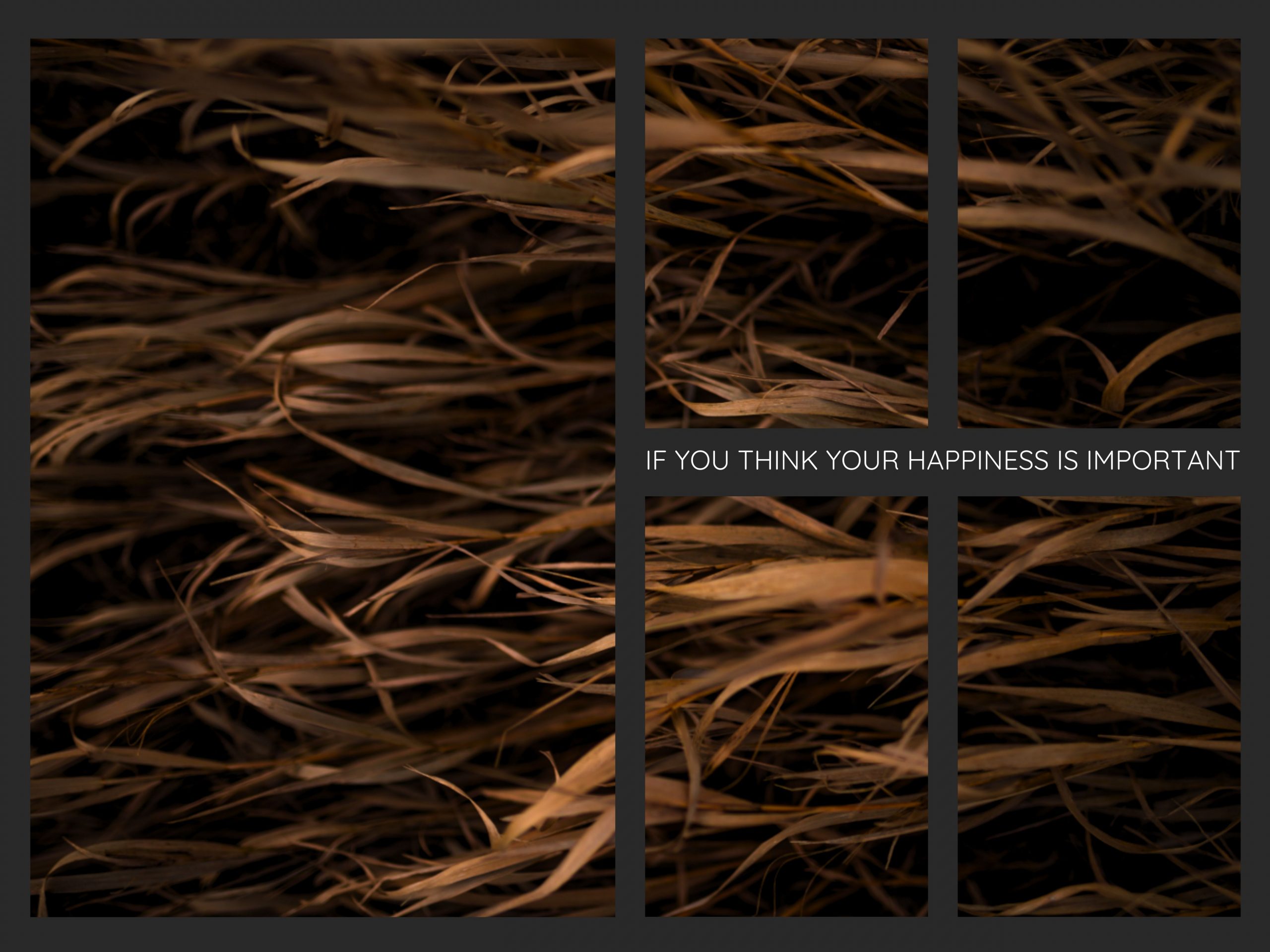
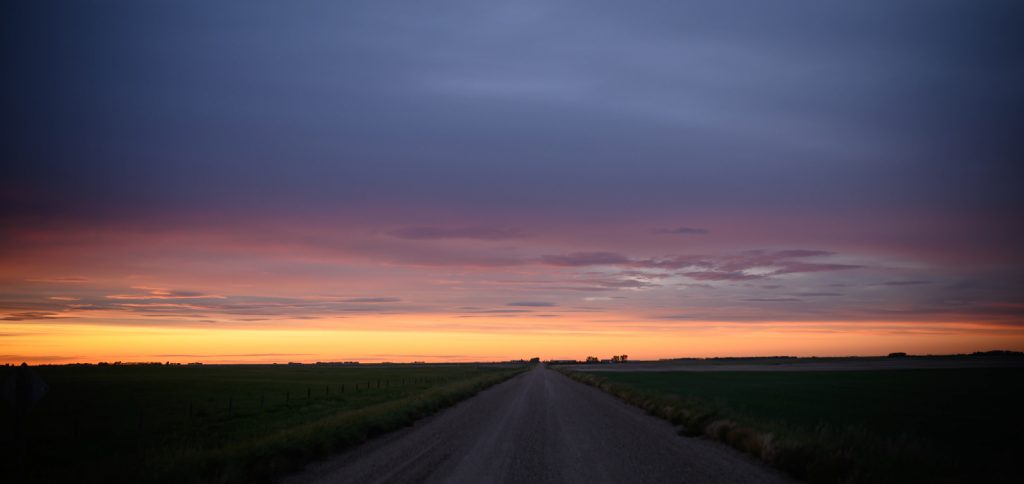
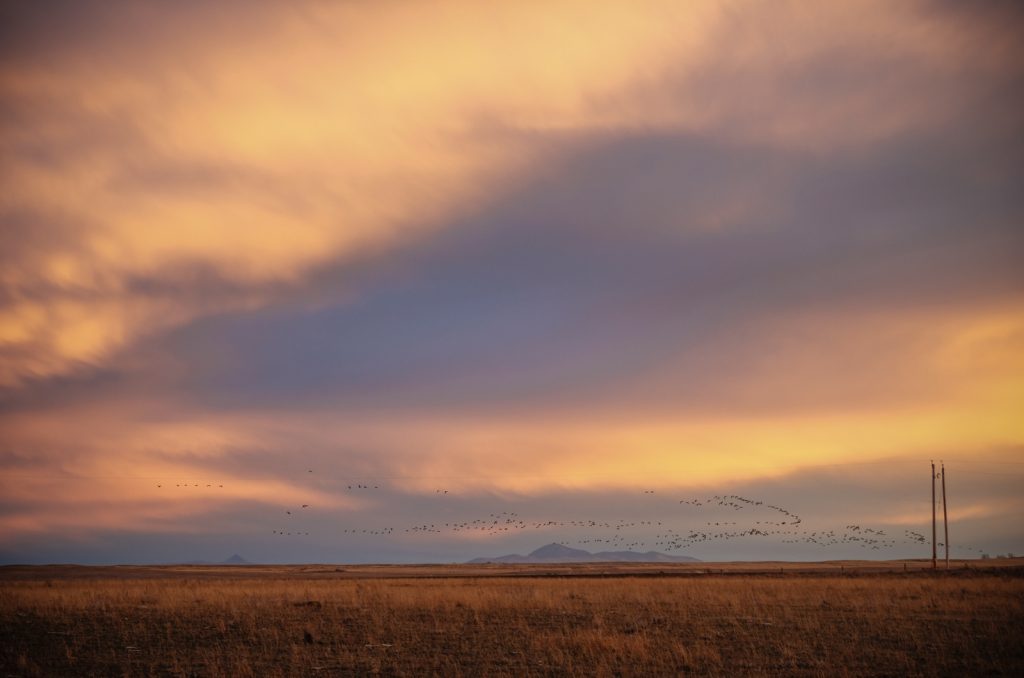
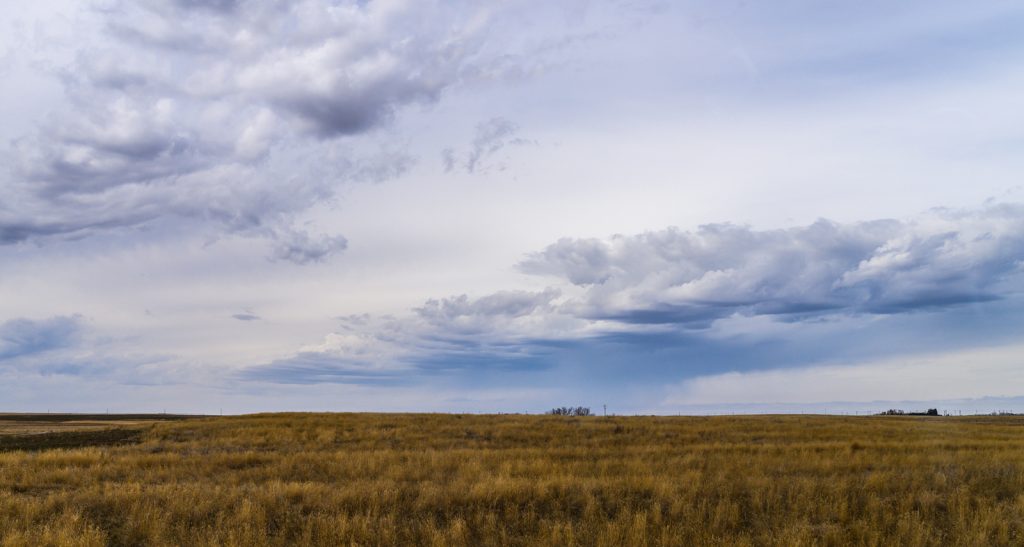
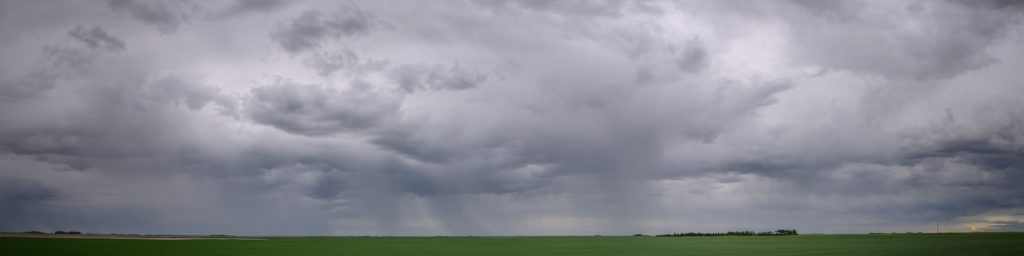
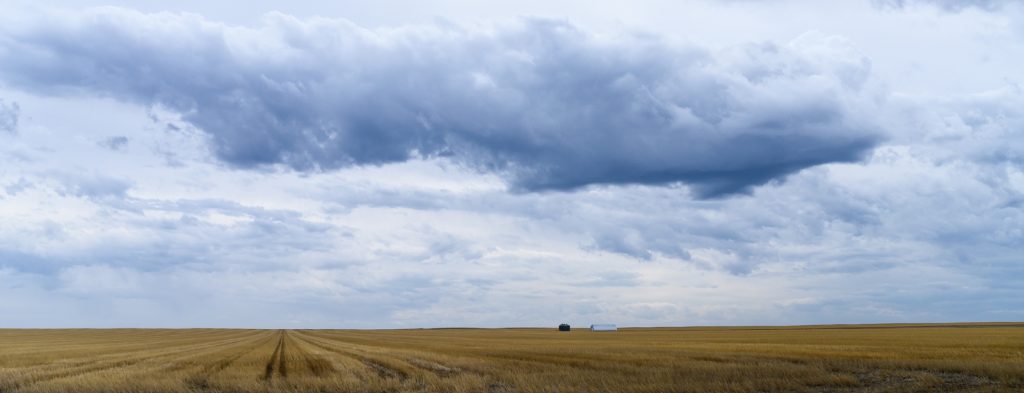
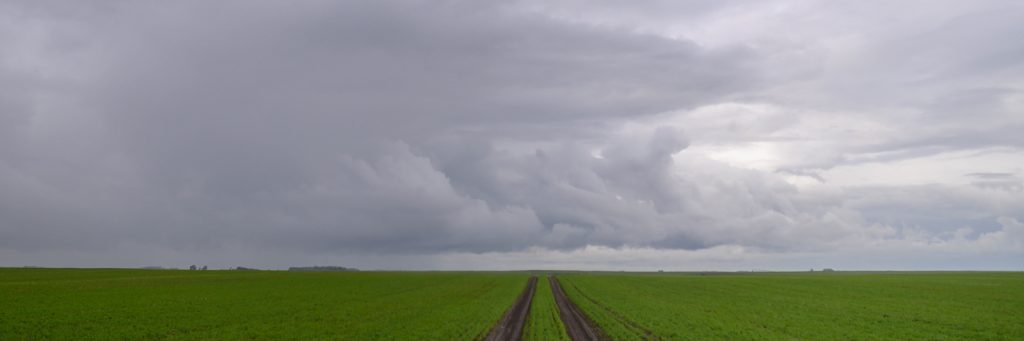
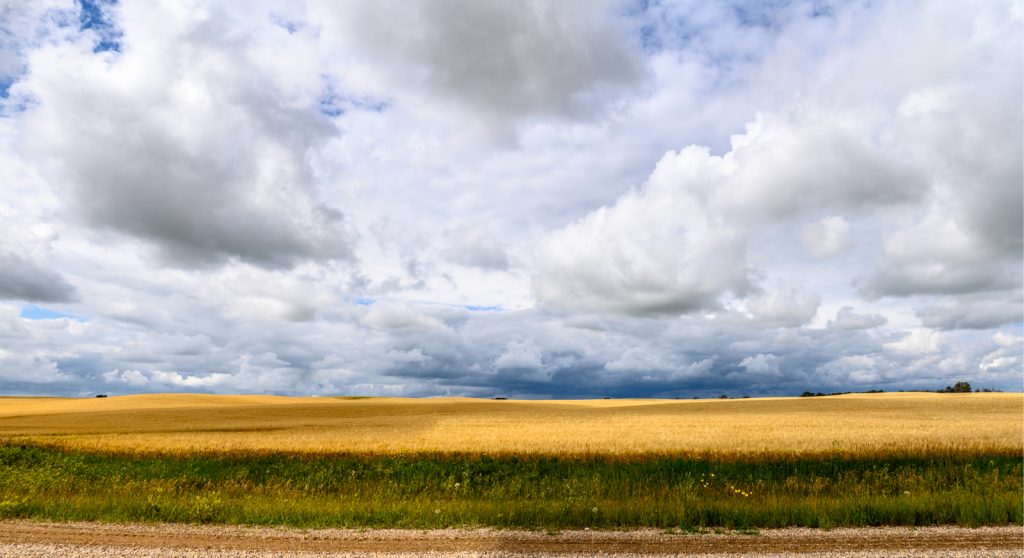
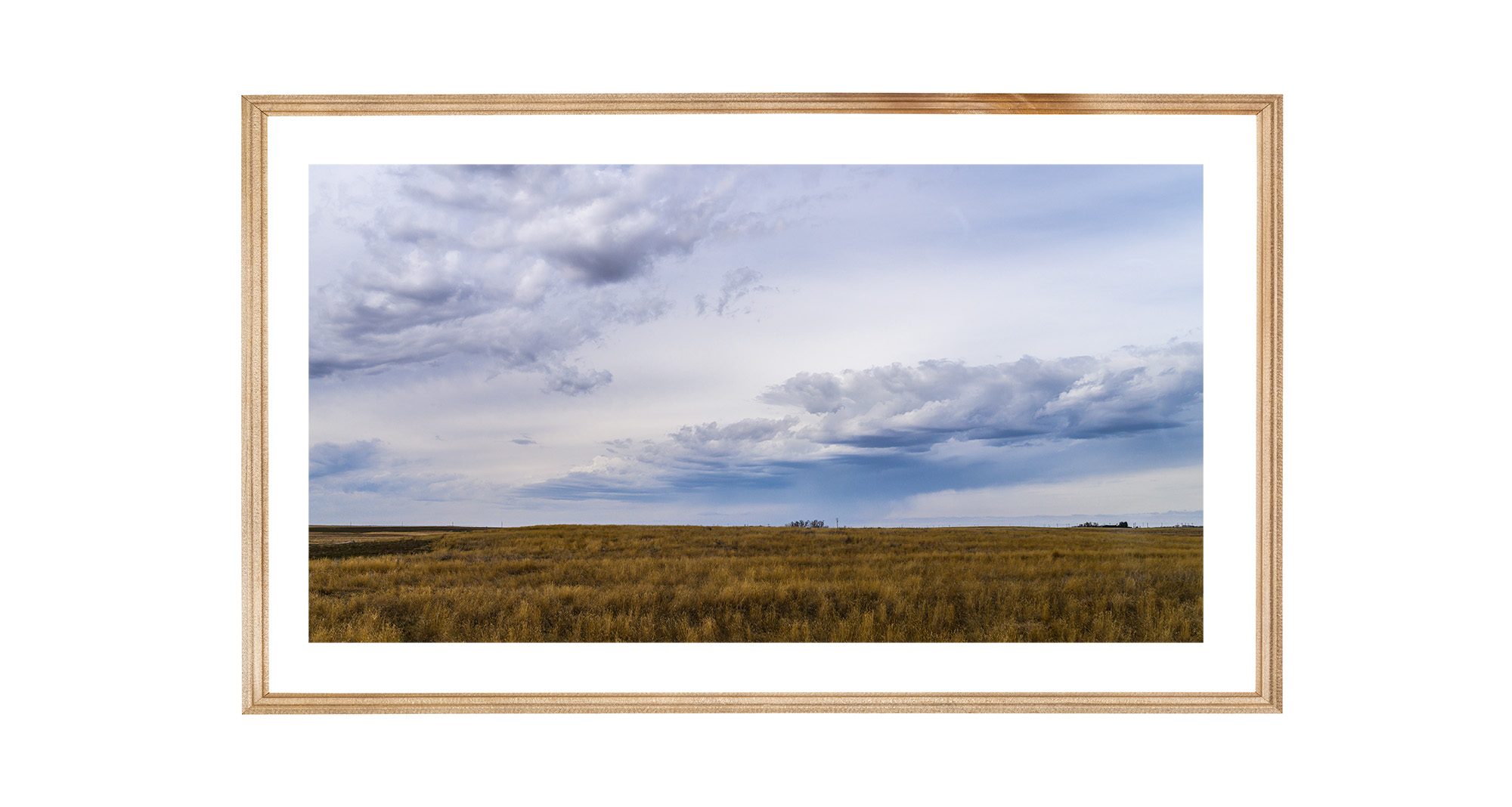
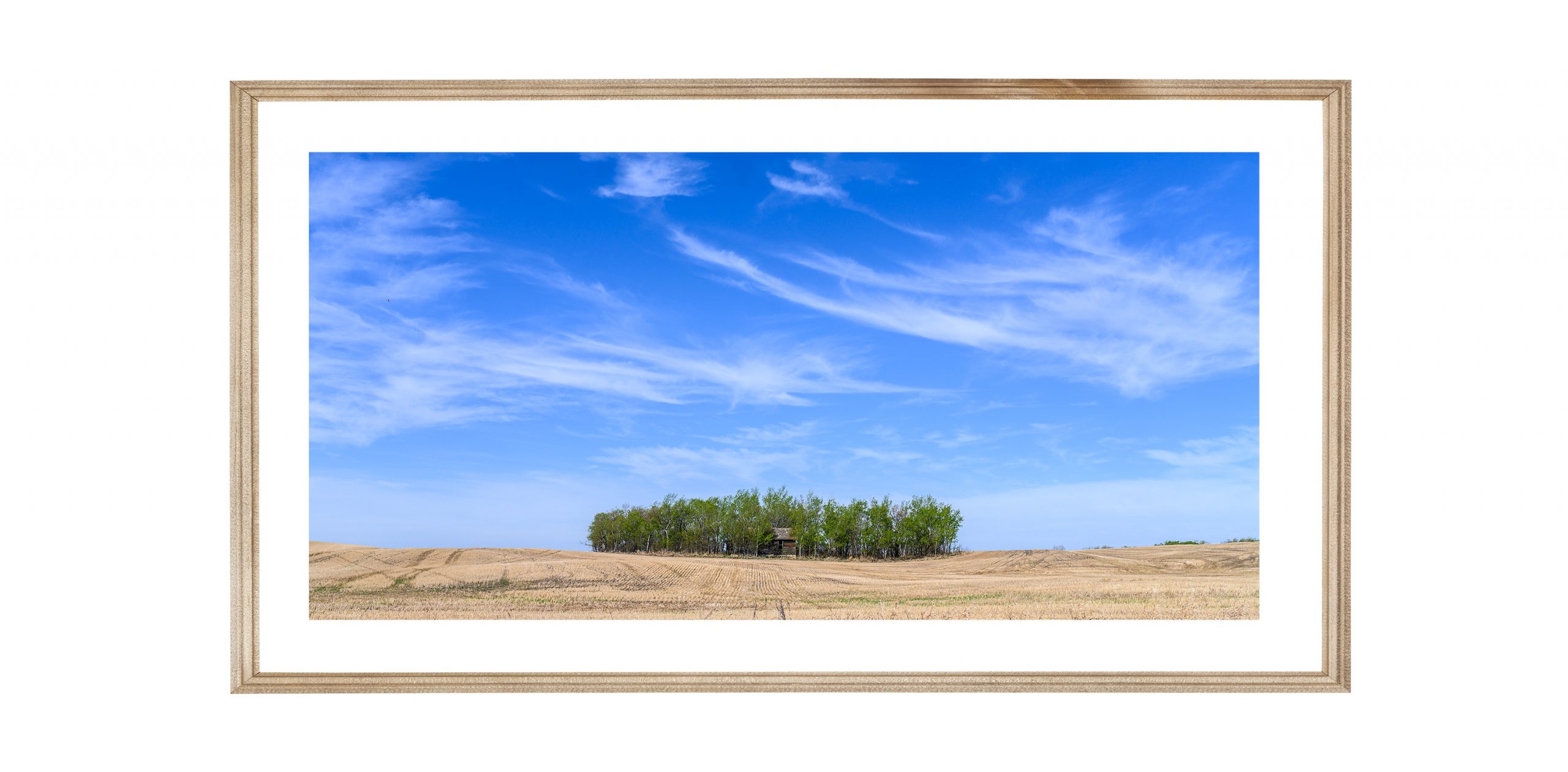
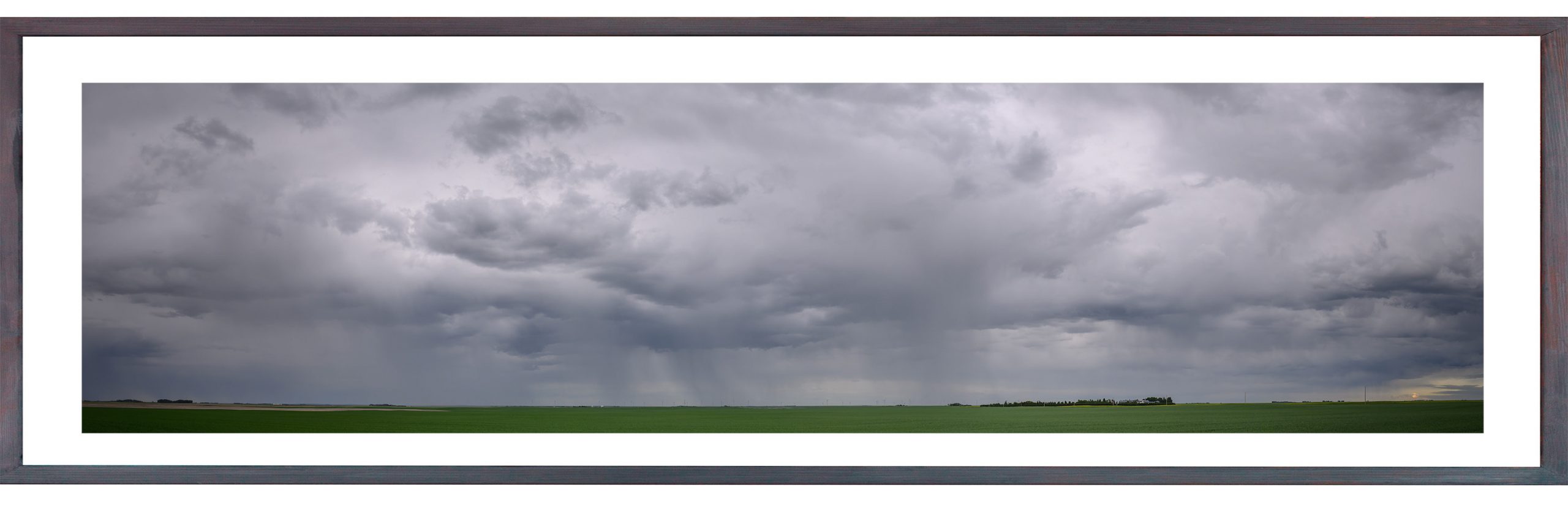
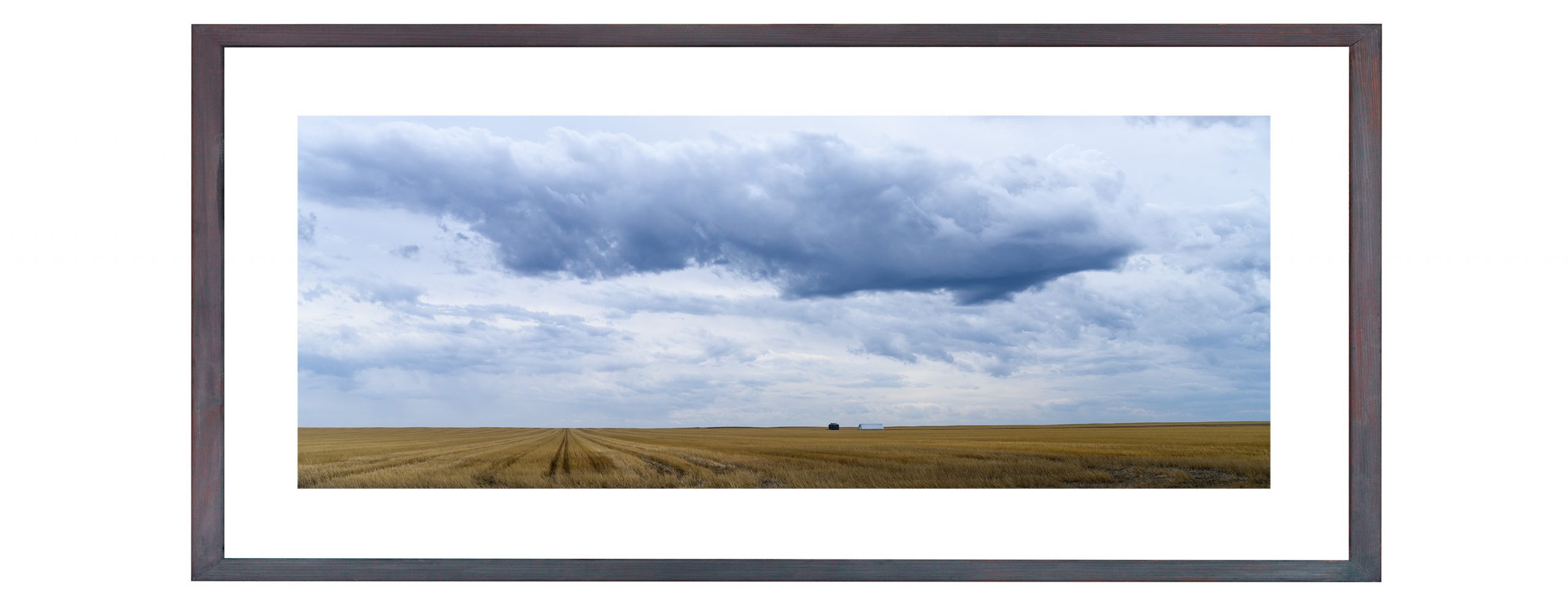
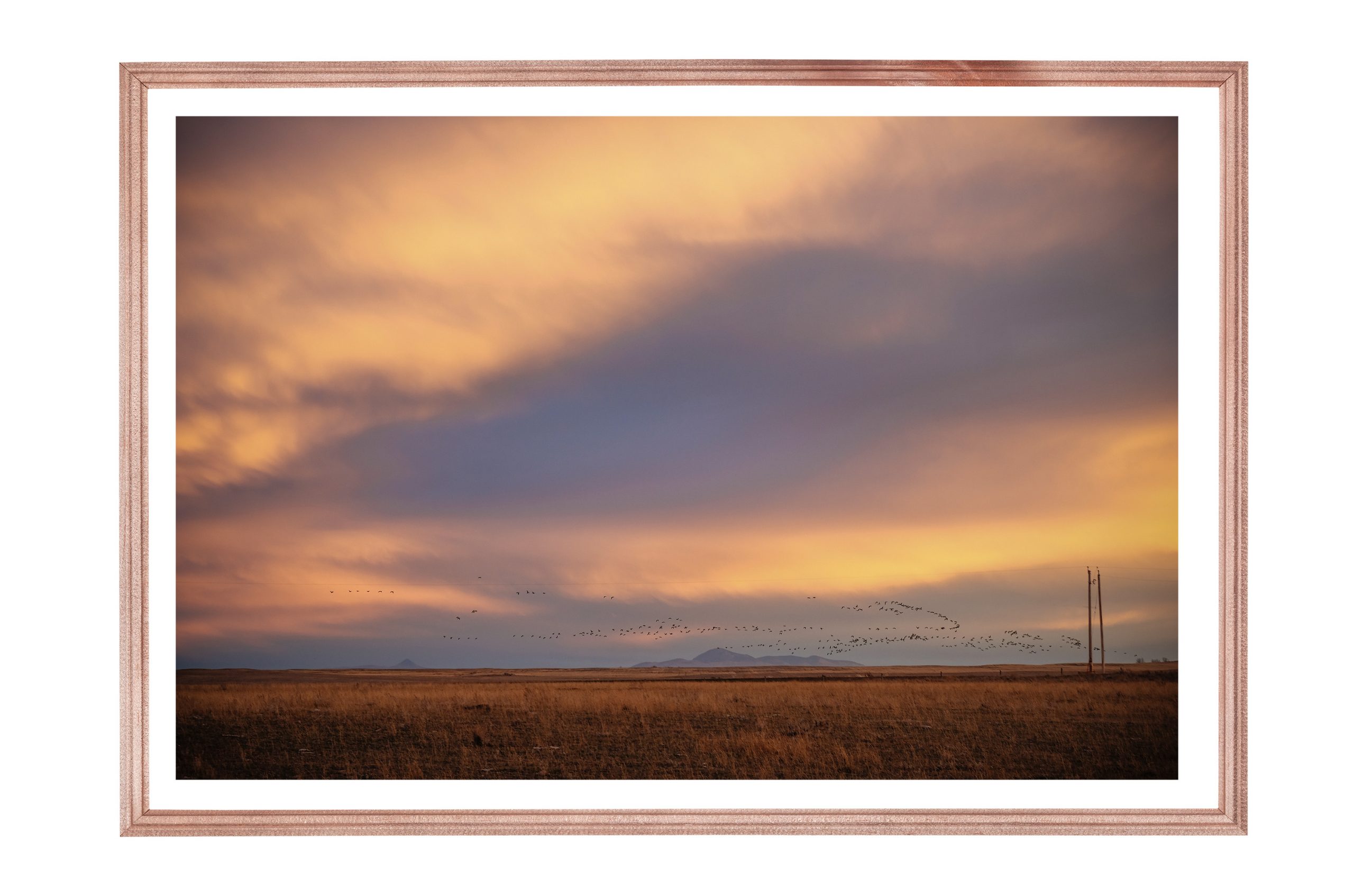
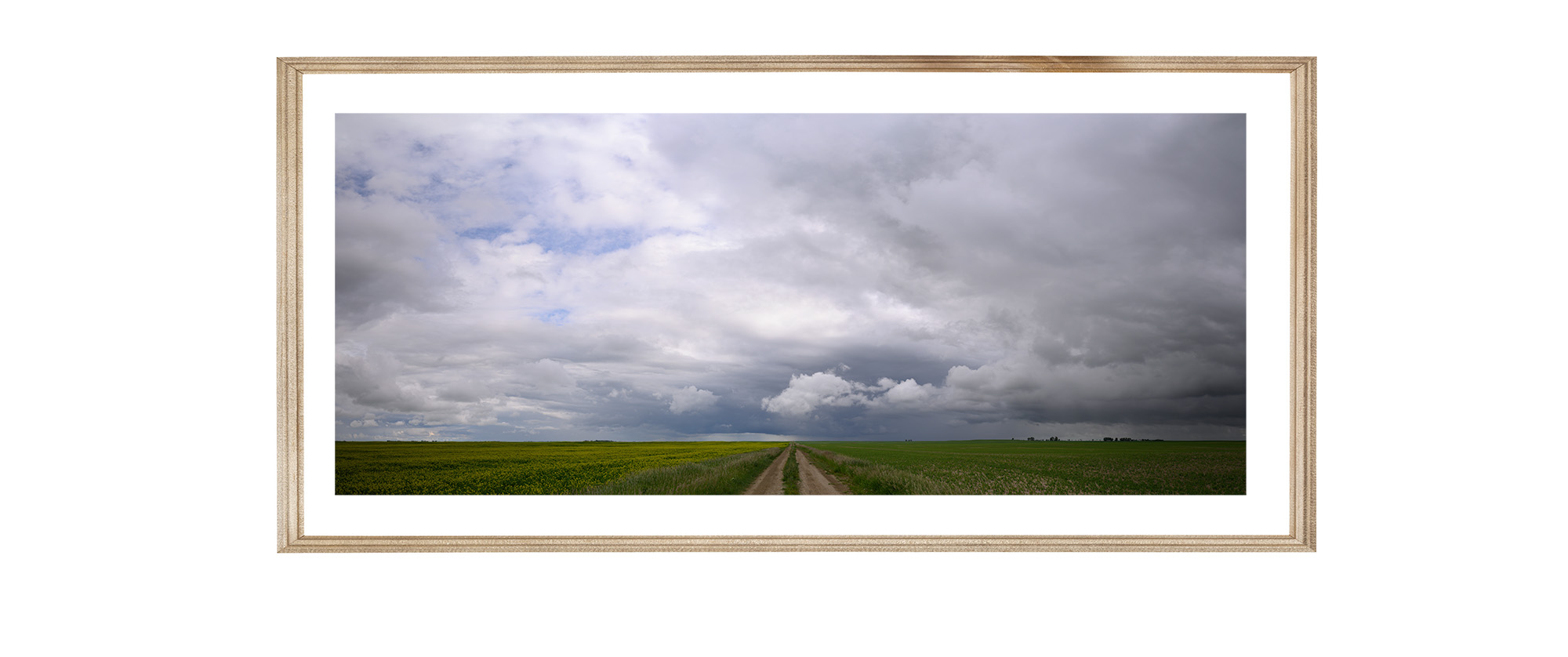
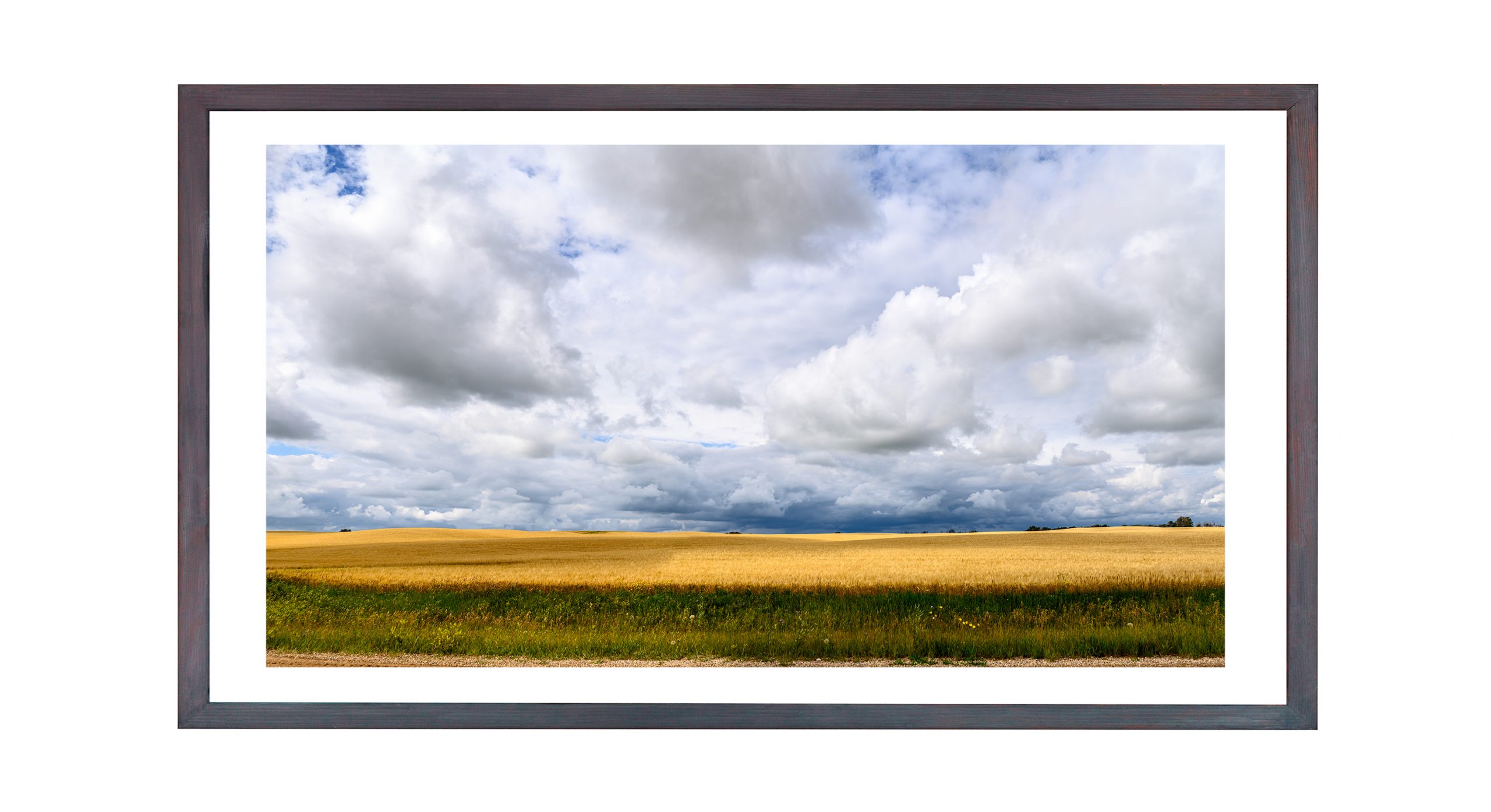
This collection of work was born out of the need to explore and reevaluate the way we belong to the places that give us life. The act of reclaiming is inherently marked by loss and longing. There is grief in these pieces. The pain of judgement and disconnection is blended into these landscapes. But also threaded through them is healing, joy, and the certainty that the expansiveness of the earth can hold our endless diversity. Our happiness belongs in all the spaces that feel like home.
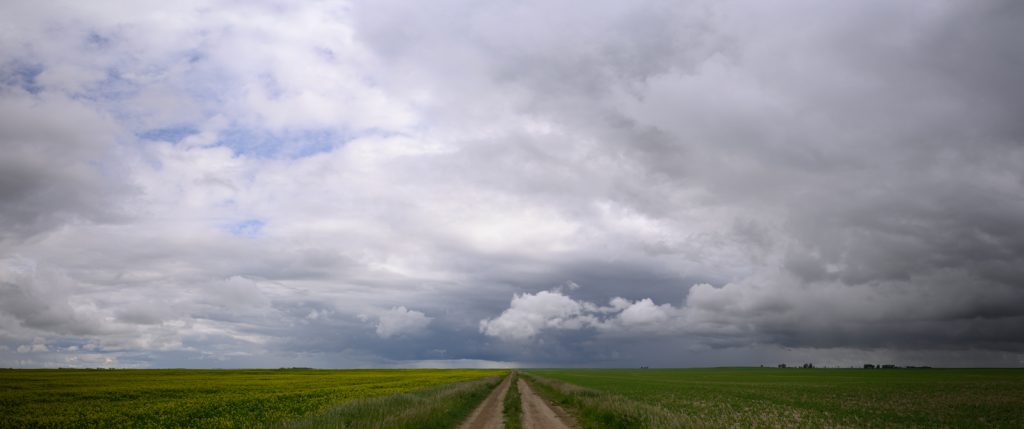
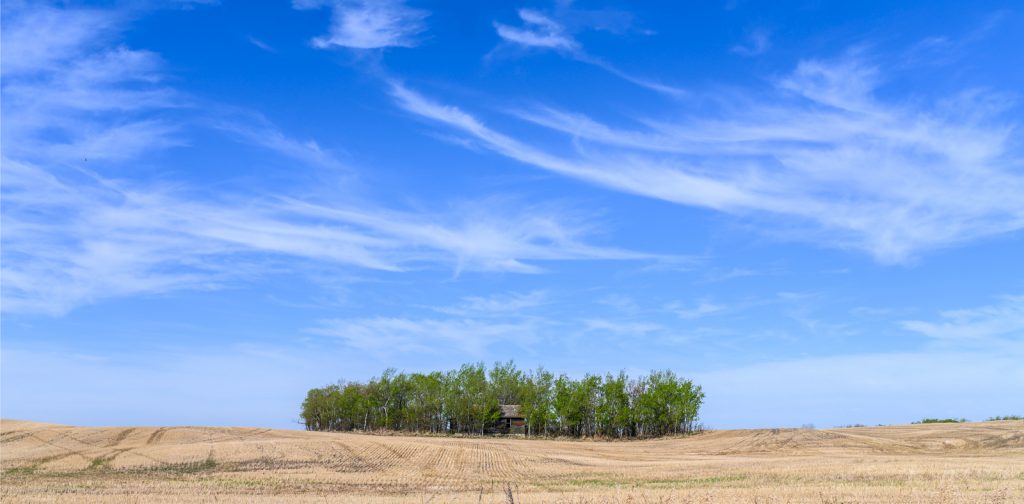
Rural southern Alberta is known for its conservative, religious, fairly homogeneous demographics but those are oddly juxtaposed with its geography. The unabbreviated openness, expansive scope, and limitless skies of the prairies exist without restriction. What may look to the untrained eye as monotonous flatland, is endlessly shapeshifting with the slightest alteration in the light’s angle and tone. And the sky is infinitely variable in its drama and expression. Queer author, Willa Cather, known best for her love of the prairies of the American mid-west wrote, “Elsewhere the sky is the roof of the world; but here the earth was the floor of the sky. The landscape one longed for when one was far away.”
I spent my childhood roaming these skies and grasslands, feeling safe and held in their vastness. And I, like Cather, long for this landscape when I am far away. Though I have made my home in Edmonton for the past two decades, I regularly made the trip south to my remote family farm to breathe in the prairie light, the wind, and the spaciousness. It is the land I feel most at home in.
All that changed when my marriage ended and I came out as queer. Emotional distance quickly ballooned between me and my predominantly conservative friends and family in the south and the rupture in those relationships became an almost tangible barrier to returning home.
The title of this show is drawn from a letter my father sent me in response to me sharing the news of my separation and queerness. The full statement is “If you think your happiness and what you want is important, you are sorely mistaken.”
As a parent myself, I know it must require an incredible amount of suffering to tell your child that their happiness is not valuable. Reflecting on this wound, each of the individual piece titles choose a different way to finish the sentence, “If you think your happiness is important…” The answers reflect approaches that are deeply personal to me, but perhaps others may also find resonance in these ideas.
If we actually believe our happiness is important, then what must we do to protect, honour, and pursue it? Exploring this question in the context of the geography I both long for and feel grief within has opened up new ways for hope, joy and peace to exist in these spaces for me.
Additionally, in light of anti-queer rhetoric and legislation growing louder above and below the 49th parallel, I wanted to create something that reaffirms that not only have queer people always existed in all spaces, their joy and happiness belong there too.
________________________